
Your search results will appear here


The Ford Ranger Raptor proves that not all pickups are created equal.
Pickups seem to be increasing in popularity not merely as a practical workhorse but as a machine to better suit your adventurous and exciting lifestyle than a regular SUV. The pickup is a must-have accessory in some parts of the United States, but on this side of the pond, they’ve never caught on to the same degree nor grown as much in size. A rise in the popularity of pickups may be a mildly optimistic view by marketing folks in car companies at the moment, but the pickup as we’re used to knowing them is evolving.
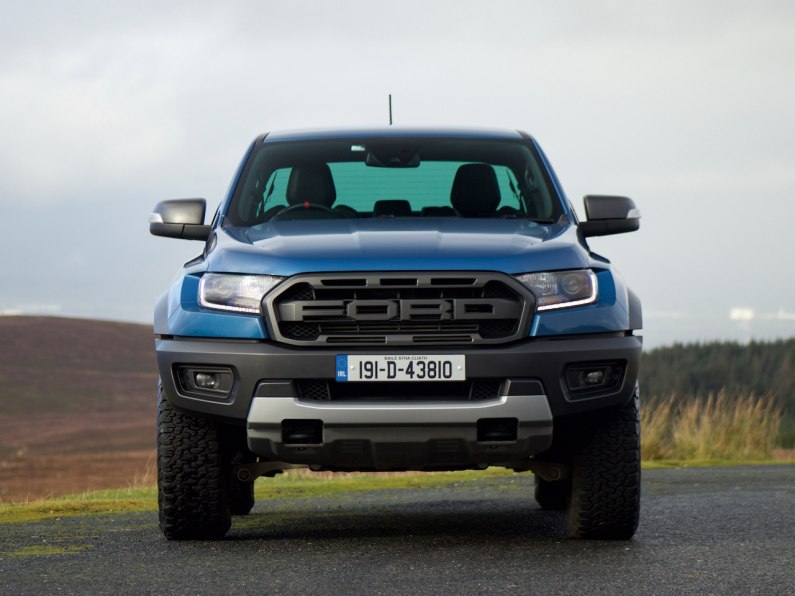
For many years the Ford Ranger has been the practical pickup for the Blue Oval in Europe, available in regular cab, super cab and twin cab body styles. That’s two-and four-door models in ordinary car speak. That offering has grown with the introduction of the Ranger Raptor, and boy does this one look a lot more special.
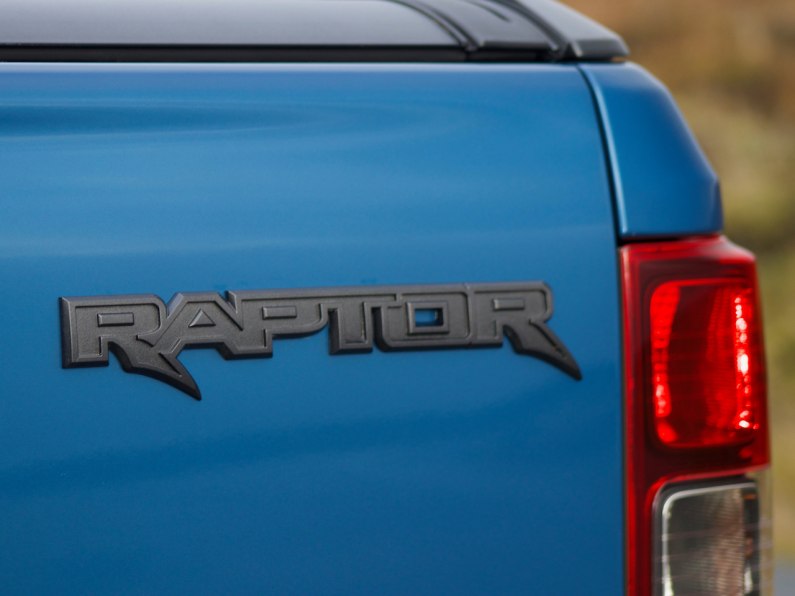
Now before you get very excited, there is a caveat with the Ranger Raptor we get in Europe. Unlike its Raptor namesake in the United States, that’s based on the F150, this one doesn’t come with a 3.5-litre twin-turbocharged V6. Instead, the Ranger Raptor makes do with a 2.0-litre twin-turbocharged four-cylinder diesel. But don’t let that put you off just yet. To that, Ford mates a ten-speed (yes, I said ten-speed) automatic all-wheel drive transmission.
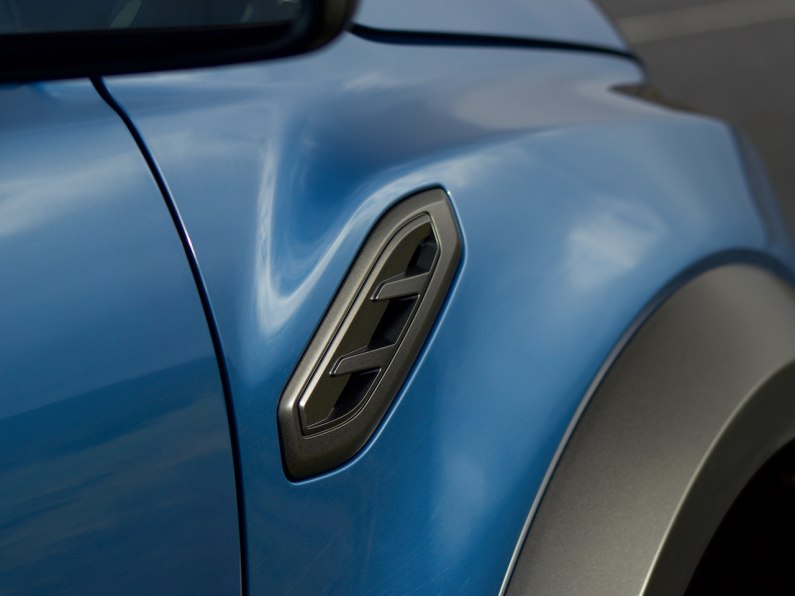
Initially, you may think the 210bhp power output isn’t a whole lot to write home about, but what’s more important here is the 500Nm of torque (or grunt) that it produces from 1,750rpm. It’s more than competent at pulling along all 2,510kg of Raptor. Fuel economy isn’t the greatest at just over 31mpg officially, though you’re likely to see a lower figure than that in real life. Good thing the Raptor comes with an 80-litre fuel tank. The ten-speed gearbox shuffles quickly up through the gears when accelerating which helps to keep the revs down and exploit that swell of torque that’s available. However, unlike its tyre-smoking relation in the States, the Ranger Raptor we get here isn’t all that quick, as its 10.5-second jog to 62mph indicates. You’ll already be in fifth or sixth gear by the time you hit that mark on the speedo.
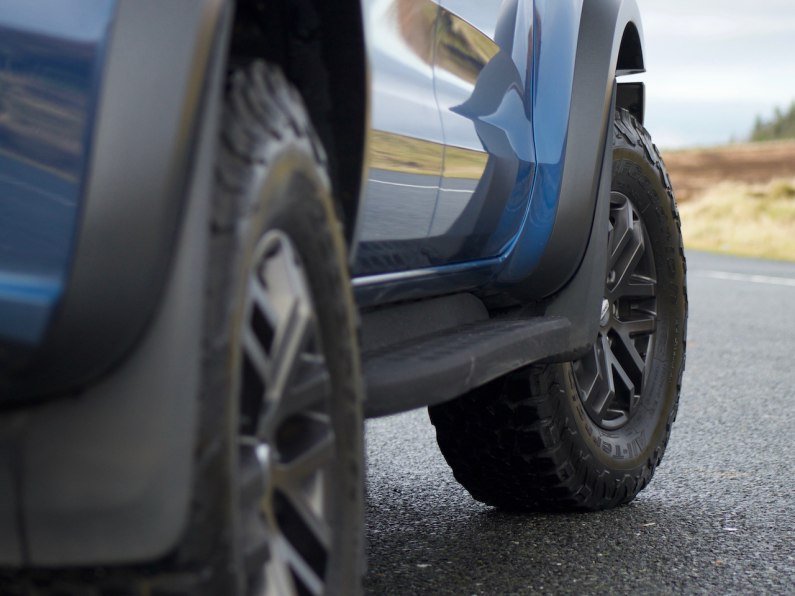
Outright performance isn’t the main point on the Raptor’s agenda though, as it’s more adept at tackling the off-road stuff. And trust me, you will want to take this thing off-road. The engineers at Ford set out to make this machine ready to tackle the jumps, yumps and dunes of the Baja, so it will easily take on the school run. Its entire chassis has been reinforced with additional bracing to withstand the big impacts and features a Watt’s linkage arrangement for the coilover suspension instead of the Ranger’s usual leaf springs. Specialist dampers from Fox add a further 32 per cent of travel on the front axle and 19 per cent on the rear.
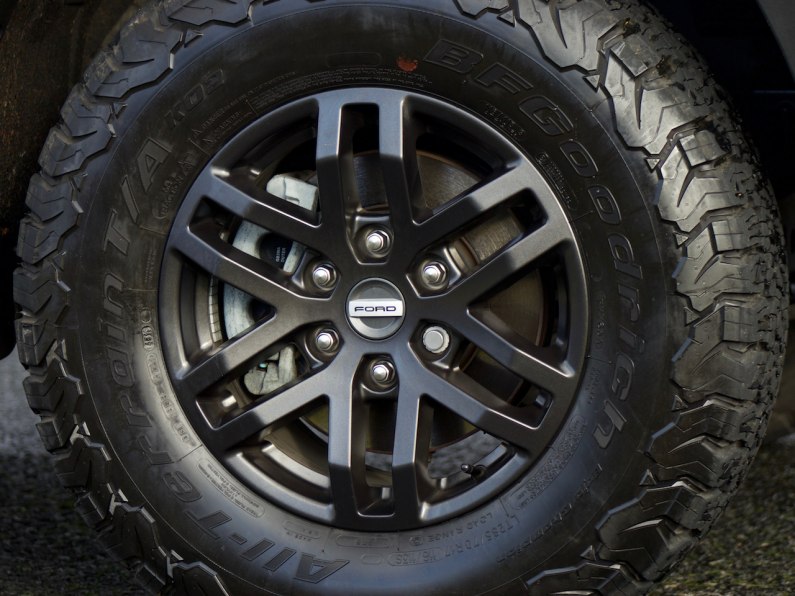
The units also contain something called Position Sensitive Damping, which essentially means that the suspension is equally as good at soaking up the big bumps as it is at delivering a smooth and supple ride when you’re just cruising along. The Raptor also has a ground clearance of 283mm and the ability to wade through water up to 850mm deep, making it one of the top performers at this task. With an approach angle of 32 degrees and departure of 24 degrees, along with beefed-up underbody protection and serious BF Goodrich All-Terrain tyres it can demonstrate impressive agility in the dirt. The four-wheel-drive transmission includes an electronically controlled transfer box with two high-range ratios for rear- or four-wheel drive and a low-range all-wheel-drive mode.
As CVs go, the Ranger Raptor aces the off-road credentials part but can it do what it says on the tin? The short answer is yes, but I would encourage you to be more adventurous in this regard, nothing seemed capable of halting the Ranger Raptor in its tracks, therefore it is quite easy and confidence inspiring to venture off the beaten path in the Ford.
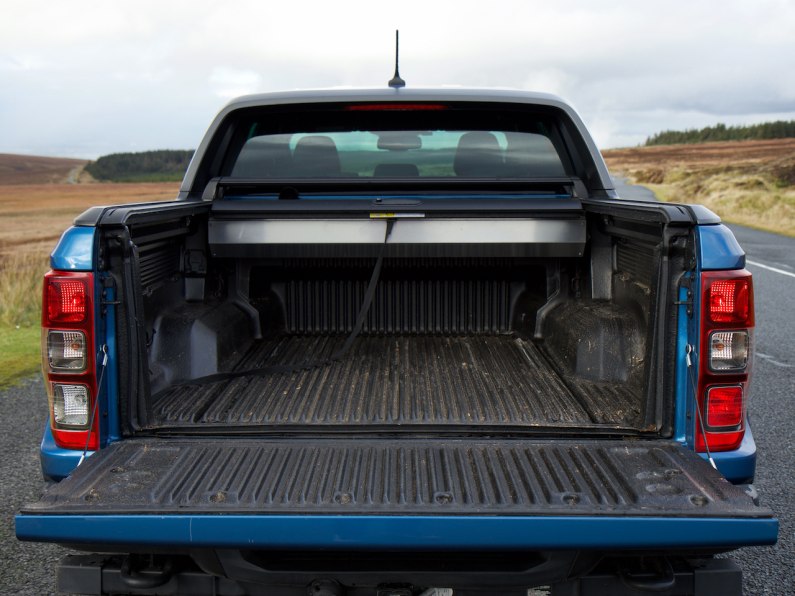
Something to consider if you do lug heavier things around, the rear can only carry 620kg, which is the smallest payload of the entire Ranger lineup. It also has the lowest maximum braked towing weight at 2,500kg (versus 3,500kg for the other Rangers), but it does match the 750kg unbraked towing capacity of the other versions.
I’m well aware that most of these are going to spend more time on the hard black stuff rather than muddy ruts and if anything the Ford impresses even more when it’s on tarmac. Not only is that suspension setup great at the rough stuff, but those dampers I mentioned earlier give it a far better ride than any other vehicle in the class. The Ranger Raptor is the best ride quality I’ve experienced in a pickup full stop.
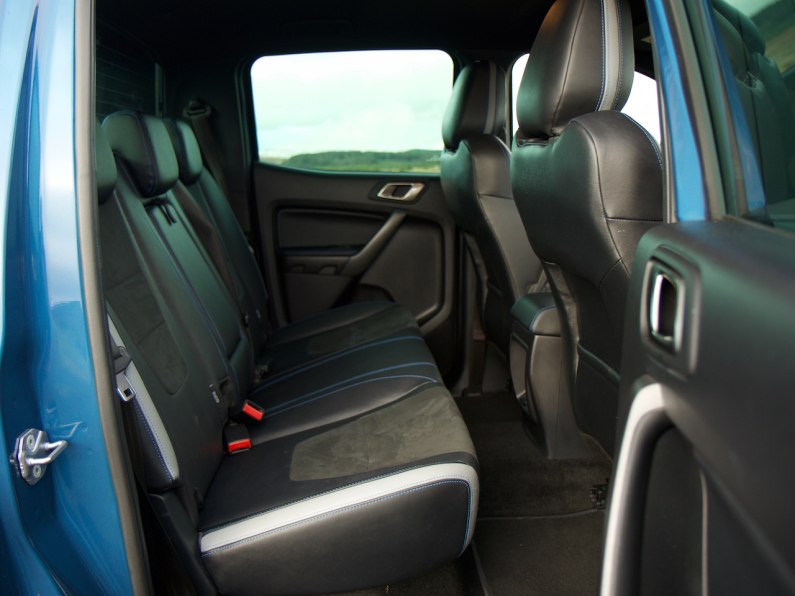
The Ford’s copybook isn’t entirely blot-free though, it can seem a little bit cheap inside in parts considering the price - £41,145 before you start adding extras (like £600 for that Ford Performance Blue paint). However, there are some unique touches in the cabin like a perforated leather steering wheel with a red twelve o’clock marker and some contrasting grey materials on the seats and around the air vents and you also get the 8-inch SYNC touchscreen and a couple of USB ports for charging.
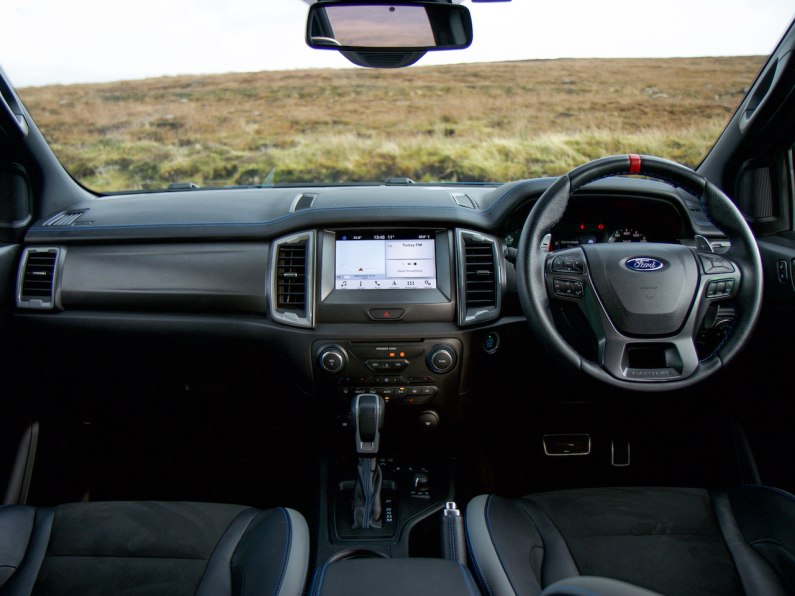
If things like cheap plastics don’t bother you all that much - they are quite durable after all - the Ford Ranger Raptor has little else to fault it by. If ever there was a car to have in your garage for when the apocalypse comes, it’s the Ranger Raptor.
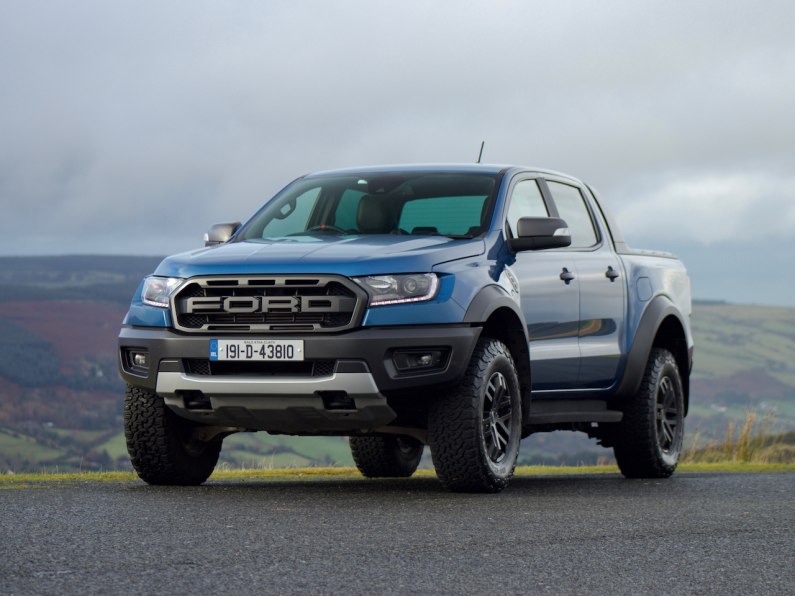
Model: Ford Ranger Raptor
Price: £41,745
Engine: 2.0-litre four-cylinder diesel
Power: 210bhp
Torque: 500Nm
0-62mph: 10.5 seconds
Max speed: 106mph
Fuel consumption: 31.7mpg
CO2: 233g/km
Interested in buying a Ford Ranger?
Preparing advert checks
This could take a minute
Car Reviews
- Car Leasing Van Leasing In-Stock Car Leasing Electric Car Leasing
