
Your search results will appear here


Whenever I get a new car, I promptly draw up a list of required maintenance and a list of potential upgrades.
The servicing and inspections that are needed come first, to make sure all is in order, and then – after racking up a few miles – I’ll set about choosing and fitting whichever uprated parts I deem worthwhile, if any.
On the maintenance front, it tends to be pretty straightforward. Aside from ensuring that routine work has been carried out, I’ll check and set about replacing consumables such as plugs, bulbs, wiper blades, belts, brake pads, brake discs and tyres.
This, paired with a comprehensive inspection, gives the car a clean bill of health and sets it in good stead for the future. It also prevents damage from being done by something that had been overlooked or ignored, such as a low transmission fluid level, avoiding unexpected wear and stoppages.
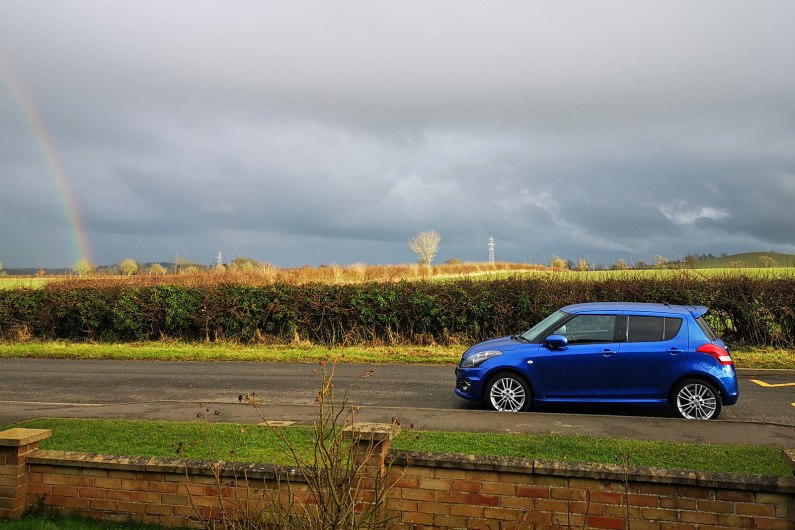
My Swift had reportedly been serviced according to the official schedule, at a Suzuki main dealer, but – as is often the case – there wasn’t a great deal of info about precisely what had been changed at each visit to the workshop. The fluids were all perfect and at the correct level, and nothing else ominous leapt out at me when I collected the car, so I didn’t have any significant concerns.
However, partly out of curiosity and partly for my peace of mind, I changed the plugs, pollen filter and air filter. There were no unpleasant surprises, fortunately, and the parts were inexpensive and easy to change. I also fitted new Bosch wiper blades, as the old ones had hardened with age.
Otherwise, the only notable fault I could find was with was the remote fobs. They seemed a little intermittent and their range shorter than it should be, so I fitted new CR2032 batteries; the range of the remotes immediately tripled, and proper operation resumed, so I no longer had to worry about getting locked out of the car or not being able to start it.
With all that sorted, there was only one other facet of the Swift that I had to immediately turn my attention to: its tyres. As part of the work carried out by the dealer before I picked the car up, a set of new tyres had been fitted. They transpired to be Tracmax X-Privilo TX3s – not a brand or tyre I had any personal experience with – and, particularly in the wet, they were awful.
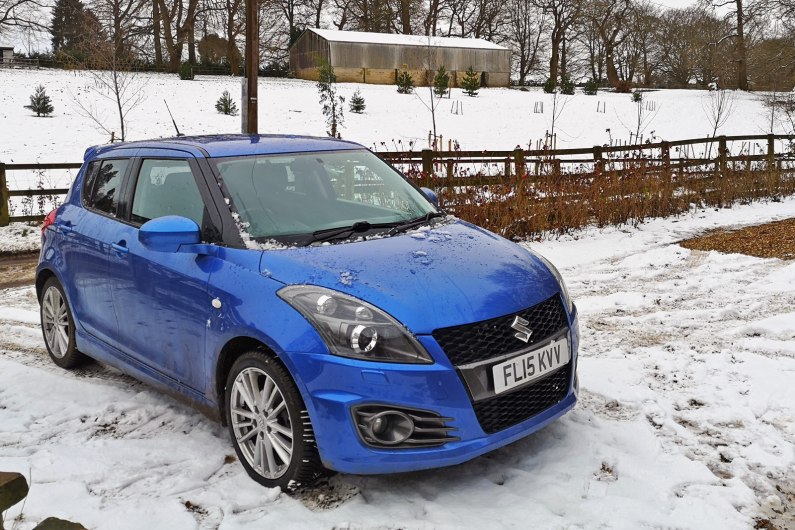
Consequently, because of the usage I had in mind, I immediately replaced them with a set of Continental AllSeasonContacts. Although not a high-performance summer tyre, they still transformed the car and made it far more predictable, capable, safe and engaging.
Good tyres are always a worthwhile investment, for safety reasons alone, and even more so when it comes to a car focused on driving fun or performance. And, once I’d had the Swift’s alignment set up, I could meaningfully assess if I actually wanted to make any upgrades. I would also stand to make the best of any subsequent modifications, thanks to the decent tyres, rather than introducing other issues or question marks.
With every box on my initial servicing and check-up list ticked, and after putting a few more miles on the Swift to familiarise myself with it, I turned my attention to the potential upgrades list.
Initially, and pleasingly, the list had started out comparatively short. This is what I had quietly hoped for, given that the Suzuki ticked most of my boxes on paper. It had all of the technology I wanted, for one thing, including powerful xenon headlights, climate control, cruise control and Bluetooth connectivity.
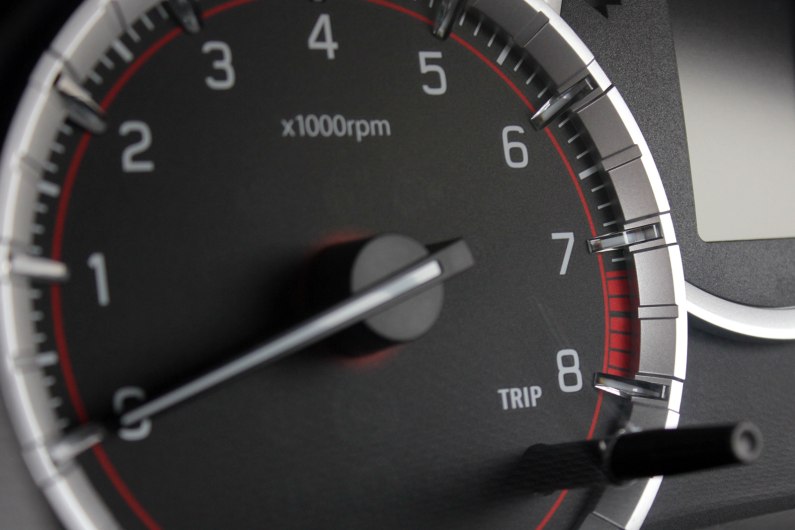
It also had lots of engineering features and performance credentials that I appreciated, including lightweight wheels, upgraded bushes and wheel bearings, increased body rigidity, carefully tuned suspension, a slick six-speed transmission, and the stout and sweet M16A engine.
I didn’t want to mess with the recipe too much, as I enjoyed driving the Suzuki in standard form, so all I had jotted down on my list was a wish for was slightly more engine or exhaust noise, perhaps slightly sharper brakes, and a few small chassis tweaks; a front body brace, for example, and maybe a rear anti-roll bar to make the Swift even more agile and entertaining.
I decide to tackle the noise side of things first, as it was the only aspect of the car that wasn’t really measuring up. It wasn’t that it sounded bad, just that it didn’t have much in the way of presence or high-rpm zing to it. This, I felt, was a little at odds with the car's eager and fun-loving character – particularly because there no real aural reward to chasing the redline.
What I didn’t want to do was end up with a car that would annoy my neighbours or drone on the motorway, so changing the intake system was my initial move. I fell completely in love with the Monster Sport carbon intake kit but it cost almost £800, which I couldn't justify, so I instead opted for a more affordable system from highly regarded Suzuki specialists CTC Performance.
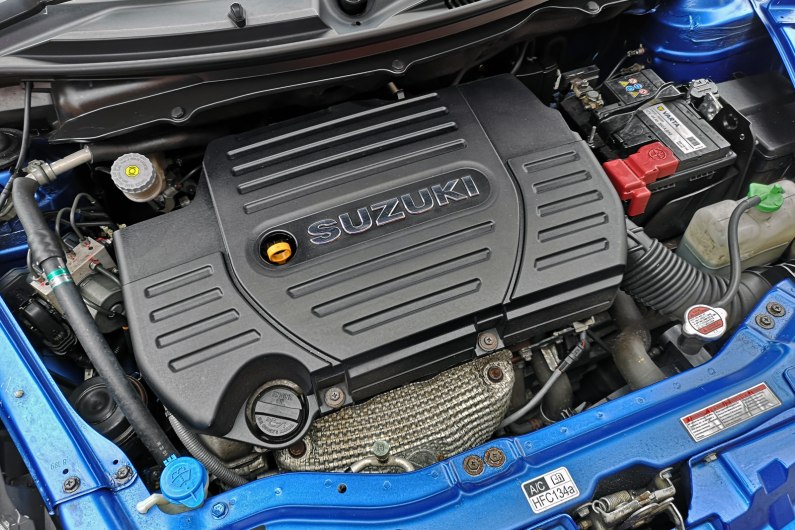
It was more sensibly priced, costing £227.81 including postage, and the feedback on it was positive. Initial impressions were good, too; it arrived neatly packaged and came with seemingly everything required, including new pipework, coolant hoses, bracketry, heat shields and clamps.
Fitting it wasn’t the work of a moment, as its installation required a considerable amount of disassembly and the relocation of the expansion tank. A fair bit of careful manipulation was required as well, to make sure that everything lined up and didn’t interfere with anything else.
That said, it all eventually fitted snugly into the bay – and, partly because I'd painted the new heat shields satin black, it didn't look glaringly out of place. I also liked that the filter was positioned in the location of the original air intake, far away from the exhaust manifold and engine, and fed with fresh air from the nearside of the front grille.
What was even better was the noise it unleashed; my Swift went from sounding quiet and restrained, with predominantly just escalating mechanical noise at higher engine speeds, to having a far more pronounced and baritone intake roar that increased in volume as the revs ramped up.
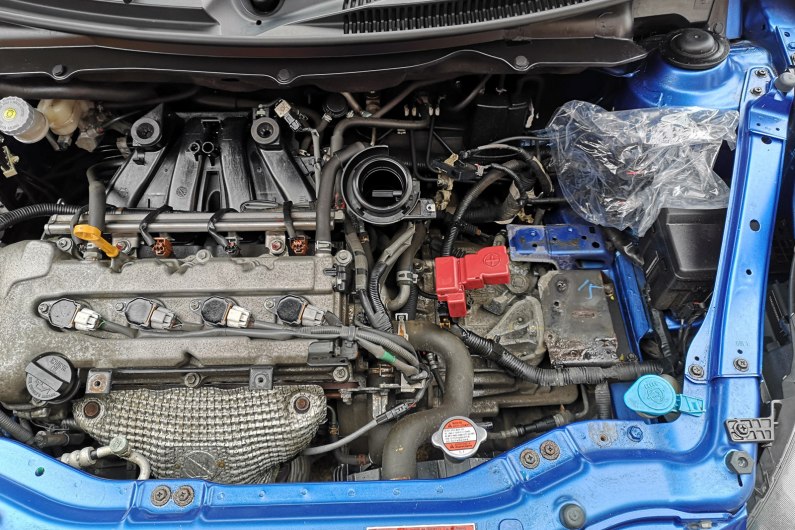
It was just what I was wanted, in that the car now sounded more purposeful and quicker, so it felt more exciting and quicker, and the resulting overall noise also meant I didn't need to make any costly changes to the exhaust system.
I didn’t expect any other benefits and there aren’t really any – particularly as I’ve no intention for further engine modifications, which is about the only point that the original intake might become a restriction. CTC itself claims a power gain on a stock engine of some two horsepower, for reference, which is effectively nothing and not a change you would ever notice in the real world.
What is good, though, is that there aren’t any noticeable negatives after some 1000 miles. I’ve not experienced any check engine lights, there are no oddities on hot days in traffic, the inside of the intake pipe is still clean, the Swift is still unobtrusive when cruising and idling, and the fuel economy is unchanged.
There are unquestionably aspects of the original intake system that are better, but I'm willing to accept the compromises for the additional induction noise alone – because, at the end of the day, it makes the Suzuki so much more evocative and enjoyable.
Consequently, if you’re after something that’ll make your Swift Sport more thrilling to drive, and you don’t want to run into major snags elsewhere, I can recommend the CTC Performance intake kit. Just be cautious when you visit the company's website, though, lest you end up with a shopping cart loaded with all manner of tempting parts.
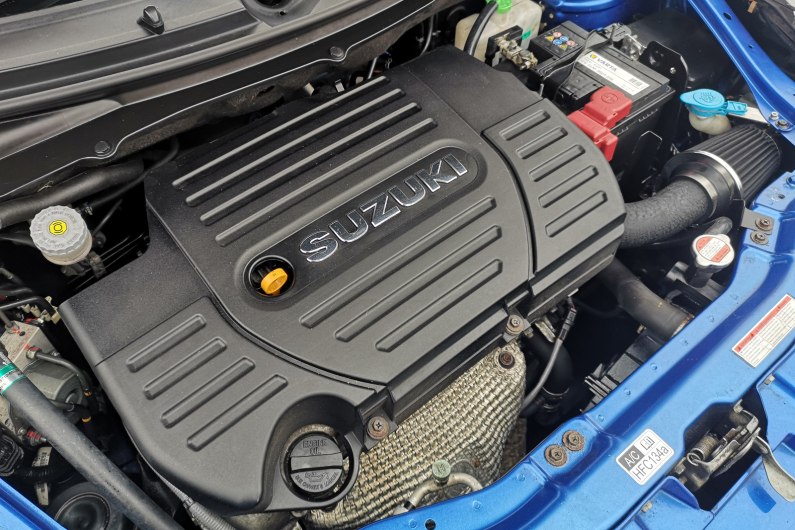
Facts at a glance
Model: 2015 Suzuki Swift Sport
Price new (2015, five-door model): £14,499
Used price (2020): £6000
Engine: 1586cc, four cylinders, naturally aspirated
Power: 134bhp @ 6900rpm
Torque: 118lb ft @ 4400rpm
0-62mph: 8.7 seconds
Top speed: 121mph
Fuel economy: 44.1mpg (claimed) – averaging 43.20mpg (calculated)
Mileage: 64,321
Previous updates
Long-term report: Life with a Suzuki Swift Sport – update 1
Interested in buying a Suzuki Swift?
Preparing advert checks
This could take a minute
Car Reviews
- Car Leasing Van Leasing In-Stock Car Leasing Electric Car Leasing
